Just How Artificial Roof Improve Defense Versus Midwest Storms
Anyone who has actually had a home in the Midwest enough time has a tornado story. In the Chicago area, one season can bring sleet that solidifies over night, wind gusts that peel at roof edges, hail that contusions tiles, and summer season warm that bakes whatever completely dry prior to the next round of rain gets here. Roofing in this region is not a cosmetic decision initially. It is a performance decision.
That is where synthetic roof have made real attention. For home owners who desire more than the basic lifespan and look of common asphalt, modern-day artificial products offer a different strategy to defense. They are made to resemble premium products such as slate, cedar shake, or floor tile while addressing a few of the weaknesses those products can provide in freeze-thaw environments, hailstorm zones, and high-wind corridors.
This issues much more for homes in areas like Chicago, Naperville, and the bordering suburban areas, where roofing system assemblies are tested continuously, not every so often. A roofing system may encounter wind-driven rainfall in April, hail storm in June, moist heat in August, and ice dams in January. A material that looks excellent in a display room might not stand up similarly after ten years of Midwest climate direct exposure. The sensible question is simpler: when the weather condition turns rough, what gives a home the very best chance to remain dry, secure, and structurally protected?
For many house owners, specifically those considering an artificial roofing substitute, the response progressively points towards building artificial roof and various other costs synthetic roof options.
Why Midwest storms are so hard on roofs
Midwest weather condition is not just severe, it is varied. That mix is what uses roofs down. In seaside regions, roof choices typically focus on salt air and cyclone patterns. In the Southwest, the emphasis is UV resistance and thermal growth. In the Midwest, roofing systems need to juggle virtually everything.
Hail is the most noticeable concern. Even moderate hail storm can shorten the life of a standard roof covering by knocking granules loose, creating soft swellings, and subjecting the shingle floor covering beneath. Occasionally the damages is remarkable and very easy to area. Equally as often, it is refined. A roofing can look acceptable from the ground and still be jeopardized enough to stop working years early.
Wind is just as harmful, though it commonly functions much more quietly. Repeated gusts move tile tabs, stress fastener places, and manipulate weak sealing factors near ridges, hips, valleys, and eaves. Once wind gets under a prone area, water usually follows.
Then there is the freeze-thaw cycle, a familiar enemy in northern Illinois. Water enters a tiny gap, temperatures drop, ice expands, and the opening gets larger. That procedure can duplicate loads of times in one winter. Add snow load, ice damming, and blocked water drainage courses, and also a decent-looking roofing system can start leaking around penetrations and transitions.
Heat needs to not be neglected either. Summer season temperatures in the Midwest might not match the desert, yet attic room heat build-up, UV direct exposure, and repeated thermal movement take a constant toll. Materials become brittle, sealers exhaustion, and blinking details age faster than many property owners expect.
A roofing in this environment needs more than surface area toughness. It needs impact resistance, wind security, reliable water losing, and long-term dimensional uniformity. That is specifically why artificial roofing systems have ended up being more typical on both high-end custom-made builds and day-to-day residences.
What makes artificial roof covering different
The term synthetic roofing systems covers a series of items, however a lot of exceptional systems are crafted from innovative polymer compounds, recycled products, or exclusive blends developed to replicate the look of cedar shake, slate, or tile. The key difference is that these items are not trying to be all-natural products in every respect. They are attempting to supply the appearance of those materials while resolving their vulnerabilities.
Natural slate is lovely and resilient, but it is hefty, pricey to set up, and can break under effect. Cedar shake has heat and personality, but it calls for maintenance and is prone to dampness issues gradually. Clay and concrete tile bring their very own advantages, yet weight and breakage can be worries, particularly in environments with freeze-thaw stress.
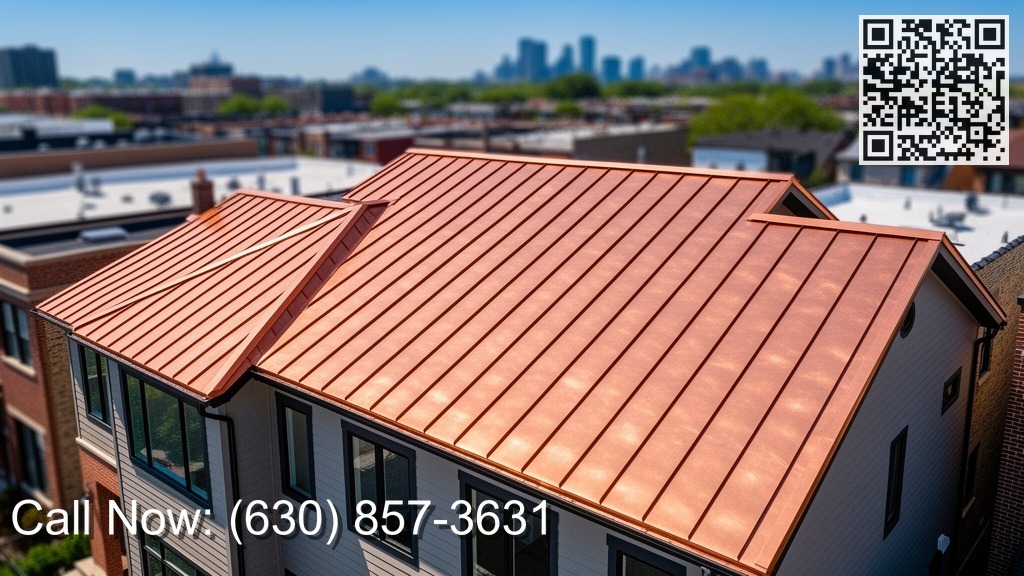
Synthetic roof covering roof shingles and panels are built to lower those downsides. Many are lighter than natural options, less complicated to deal with during synthetic roofing setup, and much more durable under hail impact. They likewise have a tendency to offer more uniform manufacturing resistances, which helps with fit, placement, and water monitoring across the roofing plane.
That lighter weight has a functional benefit several homeowners miss in the beginning. A lighter roofing can usually be set up without the architectural reinforcement that some all-natural materials require. On an older Chicagoland home, that can suggest staying clear of significant framework alterations simply to sustain the roof upgrade. When an artificial roofing contractor evaluates an existing home, this typically enters into the value conversation really quickly.
Impact resistance is greater than an advertising and marketing term
Storm defense begins with effect performance. In the field, the distinction in between a roof covering that shakes off hailstorm and one that takes hidden damage can be substantial. Not every artificial product is equivalent, however many superior artificial roofing systems are designed and examined for strong impact resistance about conventional asphalt items and some natural materials.
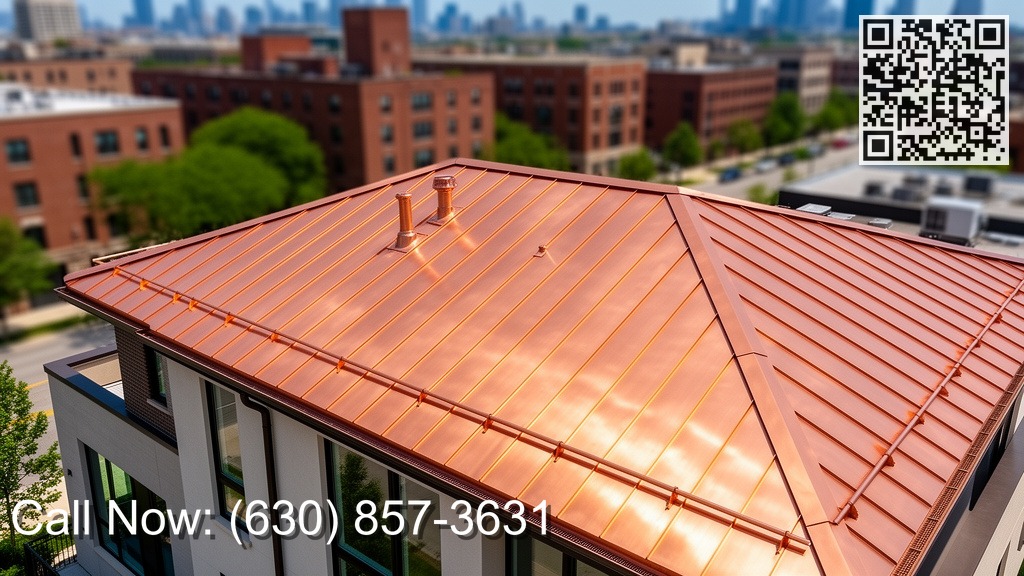
That matters because hail damages is not constantly a leak. More frequently, it is advancing injury. A roof covering gets struck consistently, the surface loses protective material, microfractures develop, and the roof covering comes to be much more prone to water invasion and UV destruction. An artificial product with much better influence tolerance can lower that cascade.
I have actually seen circumstances where neighboring homes took the very same storm, yet one roofing needed partial or complete replacement while the artificial system next door came via with small cosmetic wear. That does not mean artificial roofs are undestroyable. Absolutely nothing on the exterior of a home is. But a roof covering that withstands bruising, fracturing, and fragmentation under common Midwest hail storm occasions provides the homeowner a better starting factor after the storm passes.
For homes with intricate roofing geometry, dormers, valleys, and high areas, that toughness comes to be much more beneficial. These areas frequently catch wind and come from several angles. A robust system carries out not just on wide open aircrafts, however at the information where storm damages typically begins.
Wind efficiency depends on the system, not just the shingle
Homeowners in some cases go shopping roof covering items as though the visible material alone identifies toughness. In method, wind resistance depends upon the whole assembly. That includes underlayment, starter training courses, ridge details, flashing, bolt positioning, deck problem, ventilation design, and setup quality.
A costs synthetic roof item can be an exceptional selection, but it still requires correct installation from seasoned artificial roof installers. This is one location where the duty of a certified synthetic roof covering company matters as high as the material choice itself.
Wind commonly exploits weak sides first. Badly secured border details, faster ways at rake edges, and poorly set up starter strips can enable uplift to begin. As soon as that happens, damages increases fast. A well-installed synthetic roof usually benefits from specific manufacturing and constant fastening patterns, which can assist specialists accomplish a tighter, much more reliable roof covering.
In the Chicago region, where solid straight-line winds and electrical storm fronts prevail, I would take an installer with a self-displined procedure over a bargain crew each time. A seasoned synthetic roofer Chicagoland home owners depend on will certainly pay close attention to shifts, subjected locations, and just how regional code demands interact with manufacturer specifications.
This is additionally why fixing background issues. A roof covering that has seen several place repair services over the years might have mismatched materials, uneven attachment, and abject substrate sections. In those cases, an artificial roof substitute is commonly the smarter relocate than continuing to spot a roofing that no more acts as a linked system.
Water management enhances when materials remain stable
Storm security is not just concerning enduring the effect occasion. It is likewise regarding what takes place after the roof covering splashes, chilly, warm, and damp once again. Products that warp, split, absorb too much dampness, or come to be brittle can endanger the water-shedding function of the roof over time.
Many artificial roofing systems are made for dimensional security. That indicates they are less most likely to crack or misshape the method some traditional products can when repetitively exposed to temperature swings and moisture. In practical terms, that helps protect the tight overlaps and positioning that keep water moving downhill and away from the deck.
The Midwest presents a persistent mix of rain, melting snow, and wind-driven moisture. Water does not always drop neatly directly down. It obtains pushed laterally, blown upslope, and forced into prone roofing system details. Secure roof covering products, coupled with quality underlayments and flashing, help reduce the threat that those conditions develop into indoor leaks.
Ice dam conditions are one more problem. Synthetic roof covering is not a remedy for poor attic room insulation or bad air flow, yet a well-designed artificial roofing system installment can function as component of a stronger general wetness protection. When the roofing system covering, underlayment, and edge details are correctly integrated, the assembly stands a better possibility of standing up to back-up water at eaves and valleys.
The weight advantage is particularly beneficial on older homes
In many Midwest areas, real estate stock covers years. It prevails to find homes constructed when roofing tons, ventilation presumptions, and mounting approaches were extremely different from current standards. That makes roof material weight a severe factor.
Natural slate and floor tile can be extraordinary roof covering materials, but their dead load is considerable. On a newer customized home engineered for that weight, no worry. On an older home with uncertain framework alterations for many years, it becomes a more complex conversation.
Architectural artificial roofing offers house owners a way to pursue the look of slate or shake without adding the same architectural burden. For residential synthetic roof in well-known areas, this can be a useful middle ground between look and structural prudence.
That is one reason artificial roof covering for deluxe homes has expanded. Owners of high-end residential or commercial properties often desire the aesthetic richness of standard products, yet they also desire modern-day efficiency, less complicated logistics, and much less interruption during installation. Synthetic products can satisfy both objectives when selected carefully.
Appearance matters, yet realistic look differs by product
Not all synthetic roofings look equally persuading. Some costs lines capture the depth, shadow lines, and variant of all-natural products incredibly well. Others still have a flatter, more manufactured appearance, especially in harsh noon light or on easier roofing system shapes.
For home owners concerned regarding visual charm, this is worth seeing face to face. Examples help, but mounted tasks tell the truth. A trusted artificial roofing contractor should be able to show finished homes, go over how shade mixes weather over time, and describe which accounts match the style of the house.
On large homes with https://salvoarchitecturalroofingcontractors.com/cedar-roofs/ steep pitches, noticeable front elevations, or high-end outlining, the best costs artificial roof covering items can be really convincing aesthetically. They commonly look more refined than conventional laminated asphalt while avoiding the delicacy or upkeep burden of real timber or stone.
That claimed, judgment issues. A historic home may take advantage of a much more standard account and muted color variation. A newer transitional or personalized home may handle crisper lines and bolder shadow effects. Excellent roofing selections appreciate the design first.
Where artificial roof makes the most sense
Synthetic roof covering is not instantly the appropriate answer for every house. Budget plan, style goals, area context, and the condition of the existing structure all shape the choice. Still, there are certain scenarios where these systems have a tendency to shine.
- Homes in hail-prone and high-wind areas that require more powerful storm resilience
- Properties where the owner desires a slate or cedar look without the weight of natural materials
- Older homes that may not be perfect prospects for hefty roofing systems
- Luxury homes where appearance and long-lasting efficiency both matter
- Roof replacements where duplicated repair services have already confirmed uneconomical
In markets such as synthetic roof covering Chicago tasks or artificial roof covering Naperville IL installations, these scenarios come up typically. Property owners are stabilizing weather direct exposure with aesthetic appeals, and they desire a roofing that does not need consistent interest after every major tornado cell steps through.
Installation quality is where efficiency is won or lost
The best material on the planet can fall short if the crew cuts corners. This is not unique to synthetic roof shingles, yet the factor deserves emphasizing because costs products create high assumptions. A roofing system just shields a home along with it is in-depth and installed.
Experienced synthetic roofing installers recognize the quirks of specialized products. They recognize exactly how manufacturer requirements differ, exactly how bolt settings impact efficiency, just how accessory items must incorporate, and where leakage risks are most likely to arise on intricate roof covering lines.
When evaluating an artificial roofing company, property owners should look beyond sales language. Ask how usually the crew mounts this particular item. Ask who manages blinking work around chimneys, skylights, and wall crossways. Ask whether the deck will be evaluated for soft spots or wetness damages prior to setup earnings. Ask exactly how ventilation and underlayment selections will certainly be resolved, not just whether the noticeable roof material is premium.
A cautious service provider likewise takes care of sequencing around weather. Midwest roof covering work can be interrupted by shock thunderstorms and high winds. Securing the exposed deck, hosting materials appropriately, and keeping infiltrations leak-proof during installation are indications of expertise that matter more than glossy brochures.
Cost, lifespan, and the actual value equation
Synthetic roof generally costs more in advance than fundamental asphalt shingles. There is no truthful means around that. Property owners should expect a higher first investment, specifically with costs accounts and complicated installations.
But the worth formula is broader than very first expense. A roofing that far better withstands hailstorm, wind, and moisture breach might decrease repair frequency, prolong substitute cycles, and secure insides much more reliably throughout severe weather condition. On higher-value homes, maintaining look and reducing storm-related interruption can be worth a great deal as well.
Insurance factors to consider differ, and house owners should verify specifics with their provider, however impact-resistant products are usually part of the discussion in storm-prone areas. Even when insurance cost savings are small or irregular, the practical advantage of a more sturdy roof covering remains.
The greatest error I see is comparing roof bids purely by square-foot cost without weighing setting up top quality, storm performance, and the price of future frustrations. Cheap roof covering usually becomes expensive at the first significant weather condition event.
Questions worth asking prior to selecting a system
Before devoting to an artificial roofing substitute, property owners need to push for clear, project-specific solutions. Excellent contractors welcome that degree of analysis since it helps straighten expectations and avoids shocks later.
- How does this product carry out in hailstorm, wind, and freeze-thaw conditions usual to our area?
- Will the existing roofing deck or framework need fixings or support before installation?
- What underlayment and blinking details are included in the system price?
- How very closely does this item appear like natural slate, cedar, or floor tile when installed?
- What maintenance and assessment schedule do you recommend after major storms?
Those questions tend to divide real experts from sales teams that just added synthetic roofs to a broader menu.
Why Midwest home owners keep moving in this direction
There is a reason much more home owners are asking about domestic artificial roof now than they were a decade earlier. Tornado patterns feel less flexible, substitute expenses are greater, and people are a lot more knowledgeable about just how much damages begins at the roofing system line. At the very same time, item top quality has boosted. The best systems offered today are far more refined in both look and design than earlier generations.
For Midwest homes, particularly in storm-exposed areas around Chicagoland, the charm is straightforward. Artificial roofing systems use a blend of impact resistance, wind performance, workable weight, and layout flexibility that fits the region well. They do not get rid of threat, and they do not replace the need permanently setup, attic efficiency, and periodic inspection. However they can stack the chances in the homeowner's favor.
That is the actual point. When the following hailstorm rolls across the neighborhood, when January ice functions its method towards the eaves, or when a summer squall strikes with hard wind and sideways rainfall, your roof covering does not require to be excellent. It requires to remain undamaged, dropped water, safeguard the deck, and acquire your home time. The most effective synthetic roofing systems are constructed for precisely that job.
When Quality Matters
Salvo Architectural Roofing Contractors
566 West 5th Ave Naperville, IL 60563
(630) 857-3631
 Ask ChatGPT
 Ask Grok
 Ask Perplexity
 Ask Claude
 Ask Google AI
 Ask You