Why Artificial Roofing Installers Recommend Weather-Resistant Roof Products
When house owners begin comparing roof covering choices, they typically focus on appearance initially. That is reasonable. The roofing is among one of the most noticeable parts of your house, and it has a significant impact on curb appeal, resale value, and architectural personality. Yet ask experienced synthetic roof installers what matters most over the life of the roofing system, and the conversation moves quickly from wants to weather resistance.
That change originates from jobsite fact. Roof coverings do not stop working on a bright afternoon in perfect conditions. They stop working after freeze and thaw cycles, after long spells of wind-driven rain, after hailstorms, after ice dams force water backward under a blinking detail, or after years of ultraviolet exposure dry out and deteriorate lower products. A roof can look outstanding on installation day and still become a trouble in 10 or fifteen years if the product is not built for duplicated weather stress.
That is one factor synthetic roofings have actually obtained so much ground, especially in areas where climate swings are part of typical life. In places like the Midwest, where summer heat, winter season ice, heavy rain, and high wind all turn up in the exact same calendar year, weather-resistant roof covering materials are not a deluxe function. They are part of a reasonable long-term structure strategy.
Weather resistance is not one function, it is a full performance profile
People often speak about weather resistance as if it were a solitary quality. It is not. A really durable roof covering has to execute throughout numerous classifications at once, and weak point in any type of one of them can reduce the life of the entire system.
A roofing item requires to drop water dependably. It needs to withstand uplift when wind obtains under revealed sides. It needs to tolerate influence from hail or airborne particles without breaking or losing safety granules. It needs to hold its shape via development and contraction. It additionally requires to handle sunlight exposure, due to the fact that ultraviolet radiation slowly breaks down many standard products. Add in snow tons, ice formation, ventilation worries, and flashing changes around smokeshafts or dormers, and it becomes obvious why seasoned crews pay a lot interest to the product itself, not simply the installation pattern.
The best artificial roofing systems are made with this broader efficiency image in mind. Rather than relying upon the natural variability of quarried stone or hand-cut timber, manufacturers engineer these items to create more consistent strength, dimensional stability, and water-shedding performance. That uniformity matters on genuine homes, in actual environments, over decades.
Why synthetic materials are progressively selected over typical slate and cedar
There is no refuting the beauty of natural slate or cedar shake. Both have a long architectural history, and on the appropriate home they can look phenomenal. Yet looks and useful performance are not constantly the same conversation.
Natural slate is hefty. It might need architectural analysis prior to installment, particularly on older homes or on homes not originally made for that lots. It can also split under effect, and repair work are a lot more specialized than several property owners expect. Cedar has a cozy, timeless appearance, yet it is natural product. It can soak up moisture, split, crinkle, weather erratically, and demand more maintenance than numerous proprietors want to take on.
Architectural artificial roof covering is attractive because it intends to preserve the visual depth and appearance of those premium products while reducing a few of their functional downsides. Premium artificial roofing products can imitate slate or tremble profiles remarkably well from the street, and commonly from a lot closer ranges also. More vital, they are made to take care of dampness, temperature change, and influence in a much more controlled way.
That is why numerous house owners checking out synthetic roof for high-end homes at some point pass the look question and start asking a different one: how will this roofing act after 10 Chicago winters months, or after a hail storm event, or after repeated wind direct exposure along open lots and taller elevations? Experienced professionals value that question, due to the fact that it gets to the genuine value of the material.
The Midwest environment explains the recommendation
If you operate in roofing enough time around Chicagoland, patterns come to be noticeable. The roofings that age well are usually the ones that were selected with regional weather in mind. The roofings that create callbacks usually have something in common: the product was chosen mainly for rate or style, with climate efficiency treated as secondary.
Synthetic roof covering Chicago jobs are an example. This area puts roof coverings via a demanding cycle. January may bring subfreezing temperatures and ice build-up at eaves. Spring frequently means wind, rainfall, and remarkable temperature level swings. Summer season can bring high warm on dark roof surface areas, complied with by extreme electrical storms and hailstorm. Fall presents fallen leave particles, drainage challenges, and the beginning of freeze-thaw transitions again.
That duplicated stress can subject weak points fast. Fragile materials are most likely to split. Products that soak up dampness can experience throughout freeze-thaw biking. Roofing system treatments with inadequate influence resistance might reveal premature damage after one negative tornado. Products that increase and contract excessively can emphasize fasteners, joints, or field details.
This is why an excellent synthetic roofing contractor does not speak in generalizations. They ask where the home sits, how revealed it is, what the roofing system pitch resembles, whether your house has valleys that trap snow, whether there are large trees nearby, and whether the proprietor desires a roofing primarily for longevity, appearances, or a balance of both. Weather condition resistance is not an abstract sales term on those jobs. It is an action to repeating, predictable risks.
What synthetic roofing system installers search for in weather-resistant products
Not all artificial roof covering tiles are equal. Some are well-engineered, evaluated, and confirmed in the field. Others look excellent in a pamphlet however do not motivate the exact same confidence after years of installation experience. Professionals who focus on artificial roof installation tend to examine products with a sensible eye.
They care about how the item handles fastening, exactly how consistently items fit, just how the material behaves in cold weather, whether device components are readily available, and whether the completed roof has sufficient flexibility to take impact without coming to be flawed. They likewise pay close attention to warranty language, due to the fact that broad advertising claims do not constantly match real coverage.
A reputable synthetic roof covering business generally considers at the very least 5 efficiency elements before suggesting a product:
- impact resistance under realistic tornado conditions
- wind efficiency, specifically at ridges, hips, and border edges
- moisture resistance and low water absorption
- color stability under extended sunlight exposure
- compatibility with appropriate underlayment, blinking, and air flow details
Those points might sound technological, yet they convert directly to homeowner problems. Much less cracking ways fewer repair services. Better wind resistance decreases the chance of blown-off areas during storms. Reduced water absorption aids materials remain secure via seasonal swings. Better UV stability means the roofing system maintains its look much longer. Proper system compatibility reduces the threat of failing where roof aircrafts change instructions or converge with walls.
Installation quality still chooses whether the material measures up to its promise
Even the very best roof material can underperform when it is set up improperly. That matters since weather resistance is not just an item characteristic. It is a system outcome.
A premium synthetic roof panel or roof shingles still depends upon correct deck prep work, underlayment option, flashing assimilation, fastener placement, starter information, and air flow planning. A synthetic roof covering substitute done without interest to those principles might look clean on day one and still develop leakages later.
This shows up often on larger customized homes. A homeowner might buy artificial roof covering for deluxe homes since they desire the look of slate without the weight, or the look of cedar without the maintenance. However custom homes additionally tend to have rooflines with more intricacy: numerous dormers, curved areas, turret details, intersecting valleys, ornamental ridges, wide overhangs, and stonework transitions. Those features create more possibilities for water invasion if the installer is careless.
A solid synthetic roofer Chicagoland property owners can rely on will normally spend a surprising amount of time speaking about details that are barely visible when the job is done. Ice and water defense at vulnerable locations. Blinking geometry around sidewalls. Ventilation balance in between intake and exhaust. Drainage courses in valleys with heavy runoff. These are not attractive talking points, however they are exactly what make weather-resistant products do like weather-resistant roofs.
Hail, high wind, and freeze-thaw cycles change the worth equation
A lot of roofing system decisions look various once storm repair gets in the image. Theoretically, a less expensive roof can appear like the sensible option. In the area, duplicated fixings can remove that cost savings quickly.
Take hail as an example. A material that contusions, fractures, or sheds protective surfacing after effect may need patching, insurance coverage cases, or partial substitute https://devinwxkr291.birchreport.com/posts/when-to-consider-artificial-roof-covering-substitute-after-repetitive-storm-damages quicker than expected. A more resistant synthetic product might cost more in advance yet hold up much better via the same weather condition event. The owner does not just save on repair costs. They avoid the disturbance of emergency tarping, interior water damage, organizing delays, and the unpredictability that features tornado season.
Freeze-thaw biking develops a similar concern. When dampness gets involved in at risk materials and temperature levels decrease, expansion can worsen small weak points. In time, those small weaknesses end up being noticeable failures. Experienced synthetic roof installers know this is one of the quiet advantages of reliable synthetic items. If the material resists moisture invasion and keeps dimensional stability, it has a far better chance old beautifully via harsh winters.
Wind is an additional variable that home owners frequently undervalue till a tornado peels off back a tab, raises a ridge information, or sends debris throughout the yard. Better add-on methods and stronger material style can make a major distinction. On exposed homes, specifically larger rural residential or commercial properties with little windbreak, this matters a fantastic deal.
Synthetic roof covering fits modern-day expectations for lower maintenance
One of the strongest disagreements for residential artificial roof is that it aligns with exactly how most property owners actually wish to live. People want long lasting materials that look refined, but they do not want a roofing that demands consistent attention.
Natural materials can be stunning and traditionally appropriate, but they commonly come with upkeep assumptions that are very easy to underappreciate at the time of purchase. Repair services may call for harder-to-source items. Color variation can complicate substitutes. Wetness monitoring can come to be an ongoing problem. Specialized labor may be necessary.
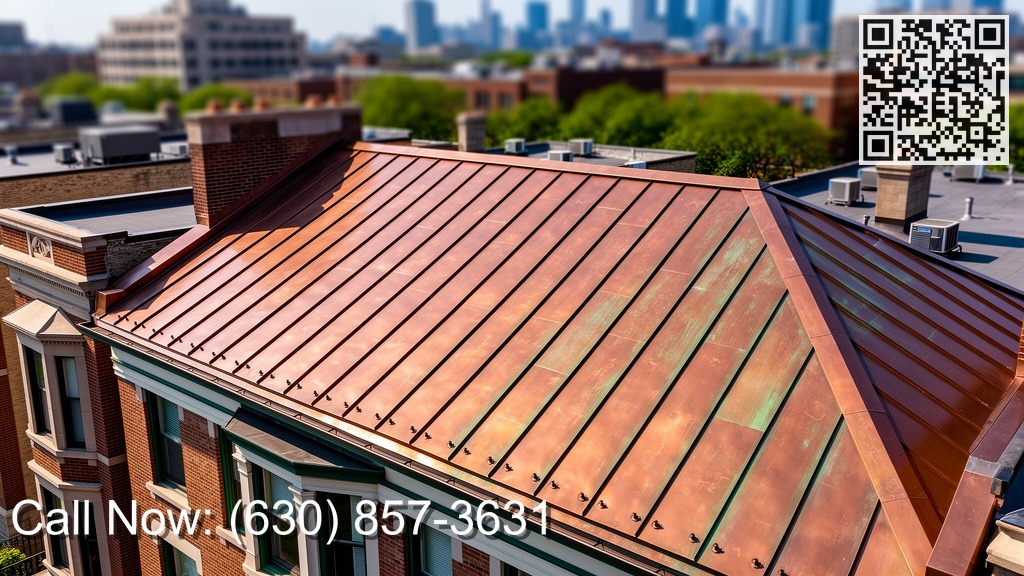
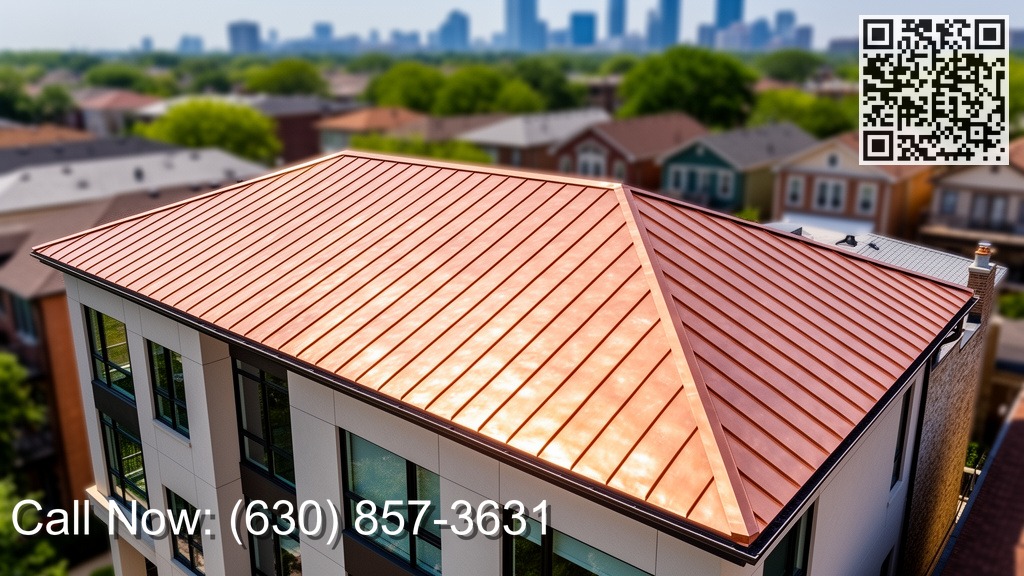
Synthetic roofings often appeal to proprietors that desire a costs appearance without those very same maintenance concerns. That does not imply they are maintenance-free. No roofing is. Particles still requires to be gotten rid of, flashings need to still be evaluated, and storm damage should still be addressed promptly. Yet the daily ownership experience is usually simpler, and that simplicity belongs to climate resistance as well. A roofing that remains steady and functional with much less treatment is a roof that better supports the life of the home.
In markets like artificial roof covering Naperville IL, this practical side of possession turns up commonly. Home owners there are not simply thinking of the following 5 years. They are thinking of lasting building worth, community look, and staying clear of major disruptions in homes where they mean to stay.
Appearance issues, specifically on higher-end homes
It would certainly be misleading to act as if efficiency alone drives these suggestions. Looks issue, and they should. Roof covering is both a safety system and a style element.
The factor costs synthetic roof covering continues to get acceptance is that many items currently do a far much better work of reproducing texture, darkness lines, density variation, and account deepness than earlier generations did. On steep-slope roofs or large personalized homes, those details make a noticeable difference. A flatter, cheaper-looking item can damage the architecture of your house. A well-selected synthetic profile can support it.
This is particularly crucial with artificial roof covering for deluxe homes, where proportion, information, and end up high quality are all under scrutiny. House owners in that segment frequently want the aesthetic character of slate or hand-split cedar, yet they likewise expect modern performance. Artificial products sit at that intersection far better than they did a decade ago.
A professional with design experience will typically bring this up in a practical method. The appropriate roofing ought to fit your home, not simply the weather forecast. A French-inspired home may require a different account than a lakefront shingle-style house or a newer transitional home with crisp lines. Climate resistance is vital, but it ought to not come with the expense of building coherence. The more powerful synthetic products allow owners have both.
Where homeowners must be cautious
Synthetic roof is not immediately the best answer for every project, and experienced specialists are usually straightforward about that. Some items are exceptional. Some are mediocre. Some are not a good suitable for particular roof geometries or homeowner expectations.
Cost is the very first caution. Costs products and proficient installation are not bargain alternatives. A property owner looking only for the lowest in advance cost may not see the worth instantly. That claimed, cheapest initial expense and best long-term worth are hardly ever the exact same thing in roofing.
Another caution is installer experience. Synthetic products can have particular securing patterns, design demands, trimming approaches, and accessory needs. A specialist that generally mounts basic asphalt shingles but periodically uses synthetics may not provide the exact same outcome as a staff that works with these systems regularly. If the home has a complicated roofline, that experience gap ends up being more important.
Homeowners ought to also be sensible concerning product choice. A solid synthetic roof firm will certainly explain the distinctions between brands and product rates as opposed to describing all artificial roof as interchangeable. They are not.
When assessing a synthetic roof replacement, it assists to focus on a short set of concerns:
- How does this product take care of regional climate, specifically hail, wind, and freeze-thaw conditions?
- What setup details are most crucial on my roof design?
- Has the crew installed this details product previously, on homes comparable to mine?
- What maintenance ought to I anticipate over the next 10 to twenty years?
- If repair services are required later on, exactly how offered are matching products and accessories?
Those inquiries tend to create much better decisions than asking just regarding color options or square-foot pricing.
Why service providers that support their job favor resilient materials
The installers who a lot of strongly advise weather-resistant roof covering materials are typically the ones who need to respond to the phone when something goes wrong. That adjustments perspective. It is easy to commend a roofing on installation day. It is much more challenging to be positive in it after years of seasonal misuse unless the product and system have actually earned that confidence.
A trustworthy synthetic professional roofer believes beyond the sale. They consider just how the roofing system will act throughout the following wind occasion, whether snow will certainly rest heavily because north valley, whether summertime warmth will certainly accelerate wear on the south-facing incline, and whether solution phone calls are likely after hailstorm season. That functional, somewhat cynical way of thinking is healthy. It causes far better recommendations.
For home owners, the message is straightforward. Climate resistance is not marketing fluff when it originates from experienced installers. It is a hard-earned concern shaped by repair services, callbacks, tornado evaluations, and years of seeing which roof coverings maintain shielding homes after the pamphlet has been forgotten.
That is why artificial roofing system installers usually guide customers towards stronger, extra resilient materials. They understand a roofing ought to do greater than look efficient the curb. It should defend the home through the complete variety of problems the property will certainly encounter, and maintain doing that every year with as few shocks as possible. On that particular criterion, well-chosen artificial roof coverings have come to be a severe, useful choice for homeowners who desire sturdiness, look, and long-lasting confidence in one system.
When Quality Matters
Salvo Architectural Roofing Contractors
566 West 5th Ave Naperville, IL 60563
(630) 857-3631
 Ask ChatGPT
 Ask Grok
 Ask Perplexity
 Ask Claude
 Ask Google AI
 Ask You